Natures Smile™ vs. Chlorhexidine (0.12% CHX): Antiseptic vs. Botanical Care
Chlorhexidine gluconate is the prescription reference benchmark for short-term plaque suppression following periodontal surgery. We compare high-potency chemical antiseptics with daily botanical hygiene balms across clinical efficacy, side effects, and safe duration of use.
RecedingGumline.com is supported in part by the makers of Natures Smile. All editorial and clinical educational content is independently developed, grounded in published periodontal literature, and based on cited peer-reviewed research. Commercial products are never presented as a substitute for professional periodontal diagnosis or surgical intervention.
Purchases occur externally on the official manufacturer website. Product information is independently evaluated against peer-reviewed dental literature and regulatory standards.
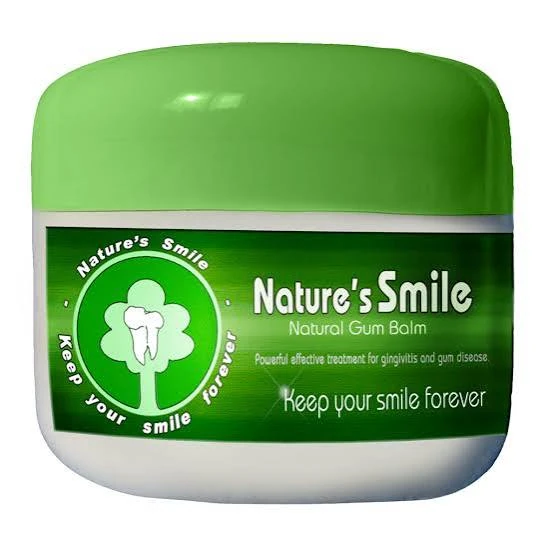
Product photograph. Text visible on label reflects manufacturer packaging claims.
The Clinical Verdict: Antiseptic Intervention vs. Daily Botanical Hygiene
Chlorhexidine 0.12% remains the prescription benchmark for immediate, high-potency chemical plaque control following periodontal surgery or acute infection. However, its significant side effects (extrinsic tooth staining, taste alteration, calculus acceleration) restrict its use to short 2-to-4-week courses. Natures Smile is formulated for ongoing, daily adjunctive home hygiene without staining or dysgeusia.
Head-to-Head Comparison: Clinical Attributes
Comparing the prescription antimicrobial benchmark against an adjunctive botanical balm:
| Comparison Attribute | Natures Smile™ Gum Balm | Chlorhexidine Gluconate (0.12% Rx) |
|---|---|---|
| Active Mechanism Significance: CHX causes rapid bactericidal cell lysis; botanicals provide mild bacteriostatic/astringent support. | Botanical tannins and herbal essential oils (oak bark, chamomile, silver fir) | Cationic bisbiguanide (chlorhexidine gluconate) binding bacterial cell walls |
| Clinical Evidence Depth Significance: CHX is the unequivocal clinical benchmark for acute chemical plaque reduction. | Ingredient-level in vitro & modest clinical data; no finished-product peer-reviewed randomized clinical trial was identified in the sources reviewed | Hundreds of randomized controlled trials and Cochrane systematic reviews |
| Recommended Duration of Use Significance: Prolonged CHX use causes severe brown staining and altered taste perception. | Suitable for ongoing daily adjunctive hygiene as part of regular oral care | Strictly short-term: 10 to 14 days (up to 4 weeks under periodontist supervision) |
| Extrinsic Tooth Staining Significance: CHX stains require professional prophy paste polishing to remove. | No significant tooth staining reported | Severe brown/black chromogenic staining on enamel, restorations, and tongue |
| Taste Alteration (Dysgeusia) Significance: Patient compliance with CHX drops significantly due to taste changes. | Mild herbal/natural taste without lasting taste distortion | Frequently impairs salt and sweet taste perception for hours post-rinse |
| Supragingival Calculus Formation Significance: CHX can increase hard tartar deposits if used long term. | Does not accelerate calculus mineralization | Known to accelerate supragingival calculus formation due to precipitated protein salts |
| Availability & Prescription Significance: CHX requires clinical dentist or periodontist authorization and oversight. | Direct-to-consumer over-the-counter botanical balm | Prescription-only in the US (Rx-required for 0.12% oral rinse) |
Why Chlorhexidine Cannot Be Used Long-Term
1. Extrinsic Brown Staining
Chlorhexidine reacts with dietary chromogens (tannins in tea, coffee, wine) to form dark brown insoluble precipitates. These stains bind tenaciously to enamel, composite tooth-colored fillings, and tongue papillae, requiring abrasive professional polishing to remove.
2. Taste Alteration (Dysgeusia)
CHX molecules denature taste receptor proteins on the tongue, causing temporary or lingering impairment of salt and sweet taste sensations. Many patients discontinue therapy prematurely due to unpleasant metallic or blunted taste perception.
3. Accelerated Calculus Formation
By precipitating salivary glycoproteins onto teeth, prolonged CHX usage paradoxically speeds up the mineralization of supragingival calculus (tartar), requiring more frequent dental scaling.
When to Use Chlorhexidine vs. Natures Smile
Both products have valid indications, but they are prescribed for entirely different phases of care:
Choose Chlorhexidine (0.12% Rx)
- Immediately following gum graft surgery (when mechanical brushing is prohibited for 2 weeks).
- Directly following full-mouth scaling and root planing (deep cleaning).
- During acute necrotizing ulcerative gingival infections.
- Duration: Strictly 10 to 14 days under dentist supervision.
Choose Natures Smile Botanical Balm
- For ongoing daily adjunctive oral hygiene support at home.
- When seeking non-staining, gentle bacterial management along delicate gumlines.
- To soothe minor surface tissue irritation without burning alcohol.
- Duration: Suitable for continuous twice-daily routine use.